Water, Sanitation and Health

Water, Sanitation, and Hygiene (WASH) Strategies for Northern Development (SND) is dedicated to improving access to safe water, sanitation, and hygiene for vulnerable and underserved communities. These initiatives align with Sustainable Development Goal 6 (SDG 6), which advocates for clean water and sanitation for all. Key Focus Areas Access to

Read More

Climate Justice and Resilience

Climate Justice and Resilience 🌱 Climate Justice ensures fairness and equity in how individuals and communities prepare for, respond to, and recover from the impacts of climate change. It addresses vulnerabilities while leveraging resources and capabilities for effective mitigation and adaptation. 🌟 Climate Resilience focuses on building the capacity to

Read More

Humanitarian Assistance and Emergency Responce

🌍 Humanitarian Assistance and Emergency Response: Transforming Lives in Crisis At Strategies for Northern Development (SND), we understand the devastating impact that natural and human-made disasters have on vulnerable communities. Through our holistic and people-centered approach, we strive to address immediate needs, reduce vulnerabilities, and build resilience for families and

Read More

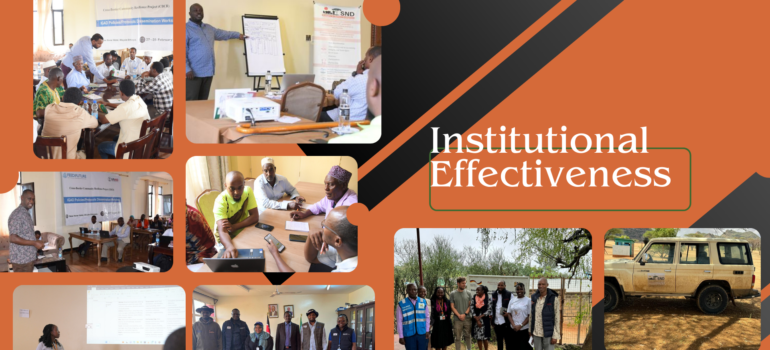
Institutional Effectiveness

Institutional Effectiveness and Localization 🔑 Institutional effectiveness lies at the heart of organizational growth, ensuring that identity, governance, ethics, and stakeholder needs are prioritized to build reputation, integrity, and long-term success. 🌍 At SND, we are committed to establishing a strong organizational identity with clearly defined values, mission statements, and

Read More

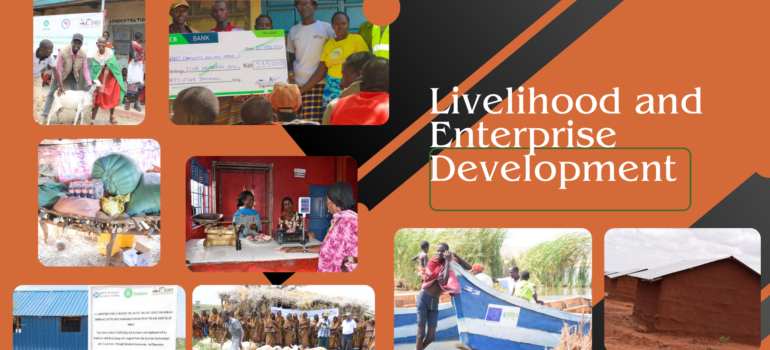
Livelihood and Enterprise Development

  Livelihood and Enterprise Development 🔑 Livelihood and enterprise development is a cornerstone of community resilience and self-sufficiency. It focuses on building sustainable income-generating opportunities that empower individuals and communities to meet their needs and achieve their aspirations. 🌾 At SND, we are committed to equipping smallholder producers, food-insecure households,

Read More